
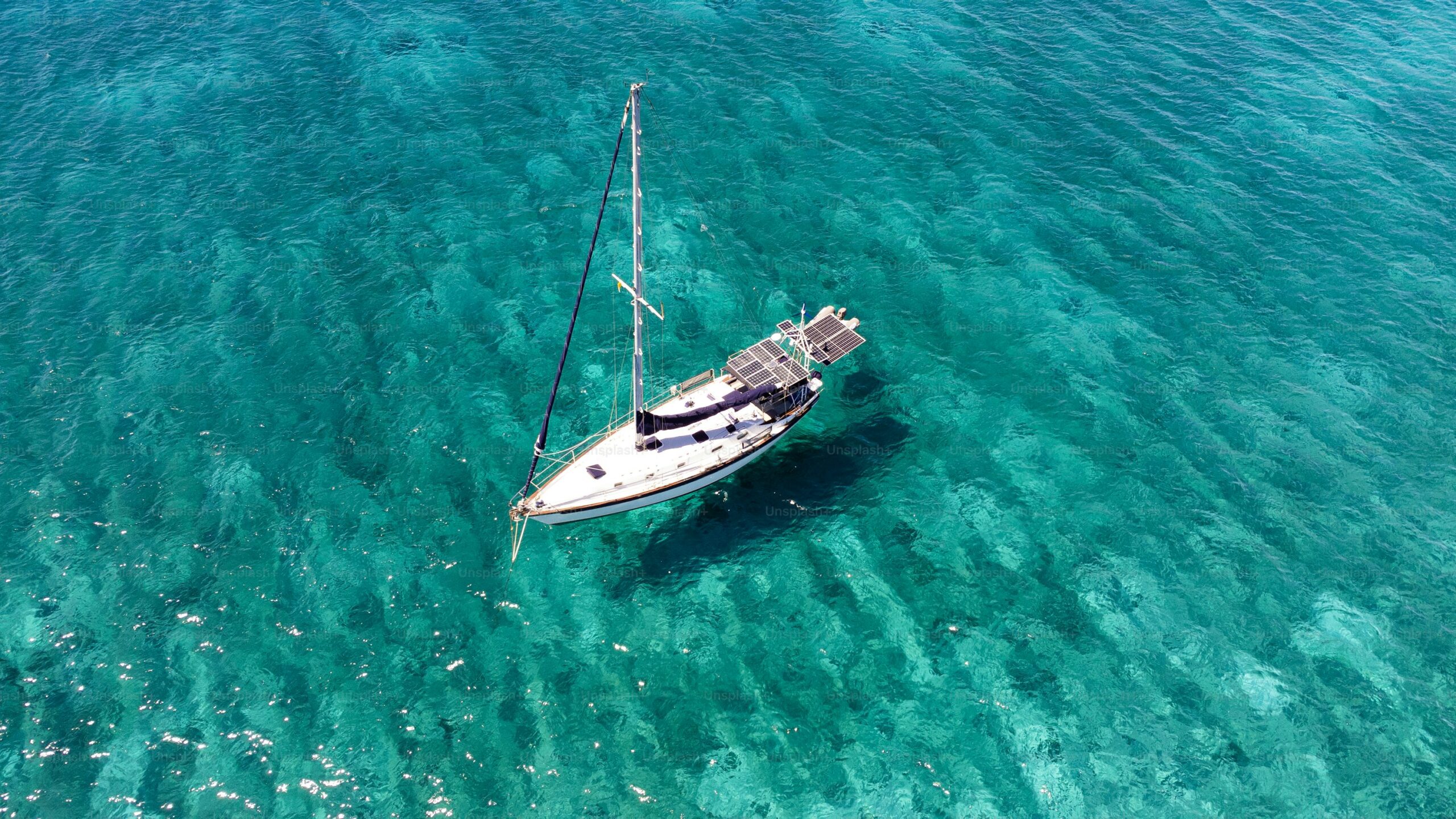
How often antifouling Malta boats need reapplying is one of the most common questions boat owners ask. The honest answer depends on the paint type, how the boat is used, and the conditions it sits in. This guide covers the real schedule, rather than a single generic “once a year” answer.
Why Regular Antifouling Matters
Malta’s Mediterranean waters are rich in marine life, which makes boats highly susceptible to biofouling. Left unchecked, that fouling increases fuel consumption through added drag, and reduces speed and manoeuvrability. It can even cause structural damage or corrosion on metal surfaces. Applying antifouling on a proper schedule prevents all of this, rather than fixing it after the fact.
What Affects How Often You Need to Reapply
- Paint type: hard antifouling is more durable and often stretches to 12 to 18 months between coats. Self-polishing (ablative) antifouling wears away gradually, so it typically needs reapplying every 6 to 12 months depending on usage.
- Boat usage: boats used frequently or at higher speeds wear down antifouling faster. Boats that stay docked for long periods often foul more, not less, since there’s no movement to slow growth naturally.
- Water conditions: Malta’s warm water speeds up marine growth compared to cooler climates. Marinas with less water movement also tend to have higher fouling rates than open moorings.
- Previous preparation: a hull that wasn’t properly cleaned and primed before the last coat won’t hold new paint as long. That holds regardless of the product used.
A Realistic Antifouling Schedule
- Annually: the standard for most Malta boat owners, applied at haul-out before the season starts.
- Every 6 to 12 months: for boats used heavily or moored in high-fouling water.
- Every 18 to 24 months: achievable on a boat not used constantly, with a hard antifouling like Seajet 036 Endurance.
Steps to Reapplying Antifouling Paint
- Inspect the hull: if the existing coat is still in reasonable condition, a light sand and one fresh coat may be enough. A full strip-back usually isn’t needed.
- Clean the surface: remove dirt, old antifouling residue and marine growth before applying anything new.
- Apply a primer if switching types: this improves adhesion when moving between antifouling chemistries.
- Apply the antifouling: follow the manufacturer’s recommended thickness and coat count.
- Allow full drying time: launching before the paint has cured can soften or lift it.
Matching the Schedule to a Seajet Product
DockShop’s Seajet range covers different points on this schedule. Seajet 033 Shogun suits high-fouling areas needing season-long protection. Seajet 034 Emperor is built for extended performance between coats. Seajet 038 Taisho targets maximum efficiency with the least maintenance in between.
How Often Antifouling Malta Boats Need: Expert Advice at DockShop
Regular antifouling protects a boat’s performance and longevity. The right schedule depends on paint type, usage and water conditions, rather than a fixed rule. DockShop’s Seajet range covers every point on that schedule, and the complete antifouling guide for Malta covers paint types and application in full.


